Free Shipping of USD 60

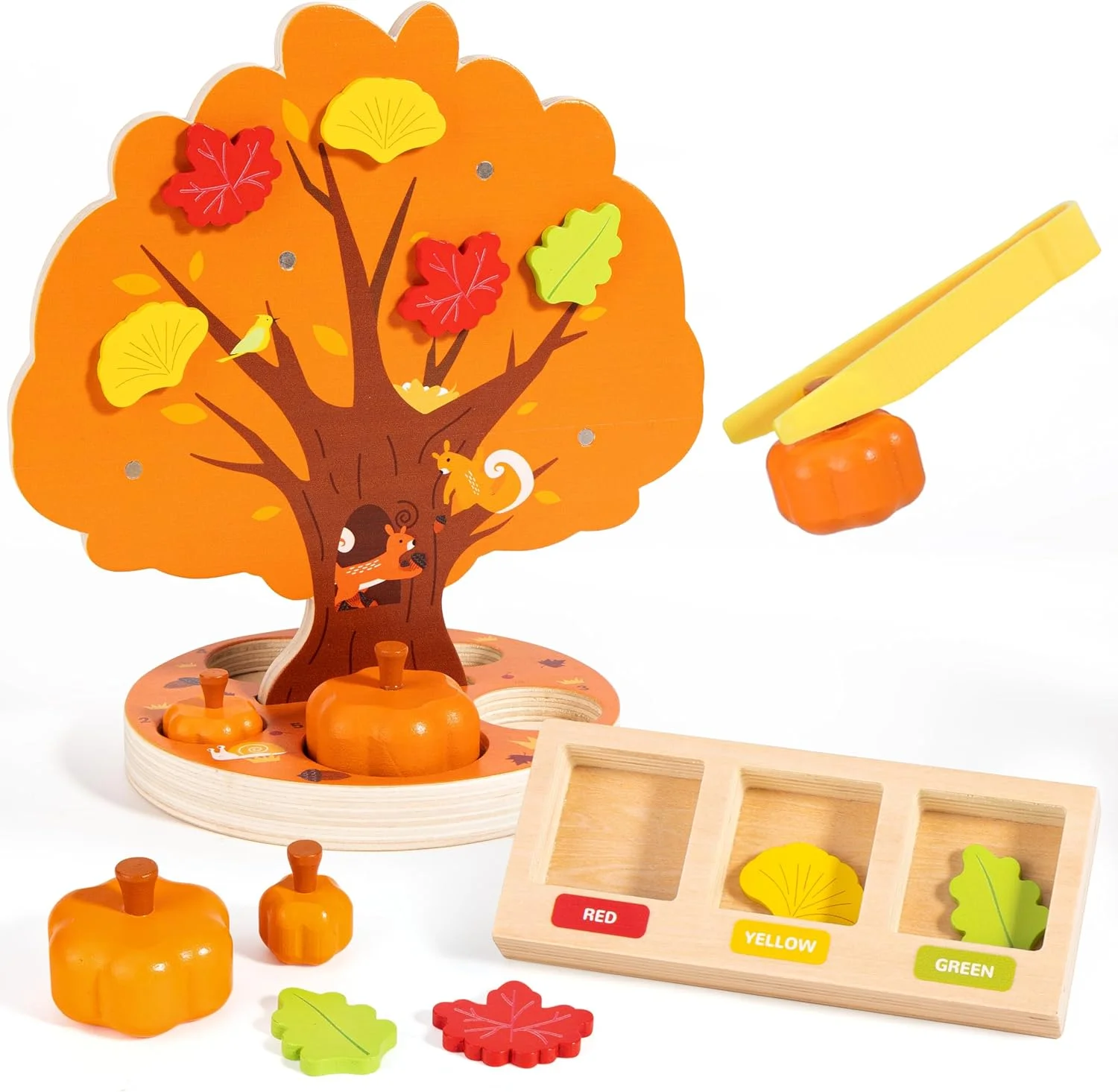
In the early years of childhood, play is not just a way to pass the time; it’s a vital part of a child’s growth and development. Hands-on activities, particularly those that involve sorting, organizing, and manipulating objects, are essential for developing fine motor skills, cognitive abilities, and sensory awareness. Engaging in play with various materials can significantly enhance a child’s learning experience. This article explores the benefits of hands-on play for children aged 3 to 6, focusing on how specific types of toys can support their development in meaningful ways.
Enhancing Fine Motor Skills
Fine motor skills are crucial for everyday tasks and activities that children will encounter as they grow. These skills involve the coordination of small muscles in the hands and fingers, which are necessary for tasks like writing, buttoning clothes, and using utensils. Toys that encourage manipulation—such as sorting and stacking—can enhance these skills substantially.
One effective way to boost fine motor skill development is through activities that require children to pick up and arrange small objects. For instance, toys that involve magnetic elements or colorful leaves offer children the chance to practice grasping, pinching, and placing items in specific locations. As they engage with these toys, children refine their dexterity and hand-eye coordination, which are foundational skills that will serve them throughout life.
Moreover, engaging in these types of activities can also improve concentration and focus. Children learn to be patient as they work with intricate pieces, developing perseverance and attention to detail. This form of play is not only enjoyable but also builds essential skills that will aid them in more complex tasks as they grow older.
Fostering Cognitive Development and Creativity
Cognitive development is another critical aspect of early childhood that is greatly enhanced through hands-on play. When children interact with toys that require sorting or categorizing, they begin to understand concepts such as colors, shapes, and sizes. This foundational knowledge is vital for later learning in mathematics and science.
Moreover, imaginative play is often sparked by the materials children engage with. For instance, a tree-shaped toy can inspire storytelling, explorations of nature, or seasonal discussions. This type of imaginative play encourages creativity, allowing children to express themselves and explore their thoughts and feelings in a safe environment. The ability to create narratives and scenarios fosters language development, as children articulate their ideas and engage in dialogue with peers or caregivers.
Hands-on activities also encourage problem-solving skills. Children learn to think critically as they experiment with different ways to play. For example, figuring out how to balance objects or create patterns requires them to assess their options and make decisions. This kind of cognitive engagement is essential for developing a growth mindset, as children learn that challenges can be overcome through persistence and creative thinking.
Promoting Social Skills and Emotional Development
Toys that encourage cooperative play can significantly enhance social skills among young children. When children play together, they learn vital social concepts such as sharing, taking turns, and collaborating towards a common goal. These interactions help build empathy and understanding, laying the groundwork for healthy relationships in the future.
Moreover, engaging in group activities can also promote emotional development. Children often express their feelings through play, and toys that allow for collaborative storytelling or group sorting can help them navigate their emotions. As they share their thoughts and ideas, they learn to communicate effectively, enhancing their verbal skills and confidence.
Additionally, play can serve as a safe space for children to process their experiences. For example, seasonal themes, such as autumn harvest activities, can evoke discussions about change, growth, and the cycles of nature. This connection to the environment not only enriches their understanding of the world but also nurtures their emotional intelligence as they reflect on their feelings and observations.
Conclusion
The significance of hands-on play in early childhood cannot be overstated. Engaging with toys that focus on fine motor skills, cognitive development, and social-emotional growth provides children with invaluable experiences that shape their overall development. By incorporating activities that allow for sorting, manipulation, and imaginative play, caregivers can foster an enriching environment that supports learning and growth.
As children explore and interact with their surroundings, they develop essential skills that will benefit them throughout their lives. Investing in high-quality, engaging toys that promote these aspects of development is a worthwhile endeavor for parents and educators alike. Embrace the power of play to ensure that children not only learn but also thrive during these formative years.